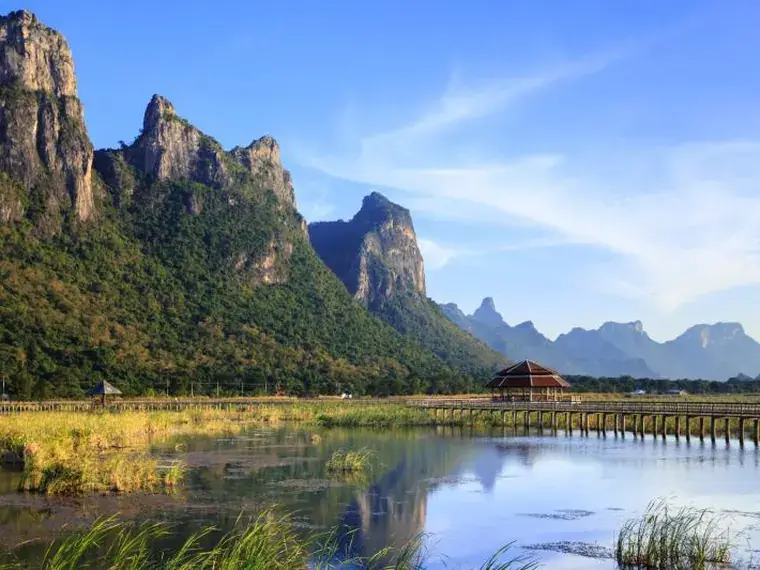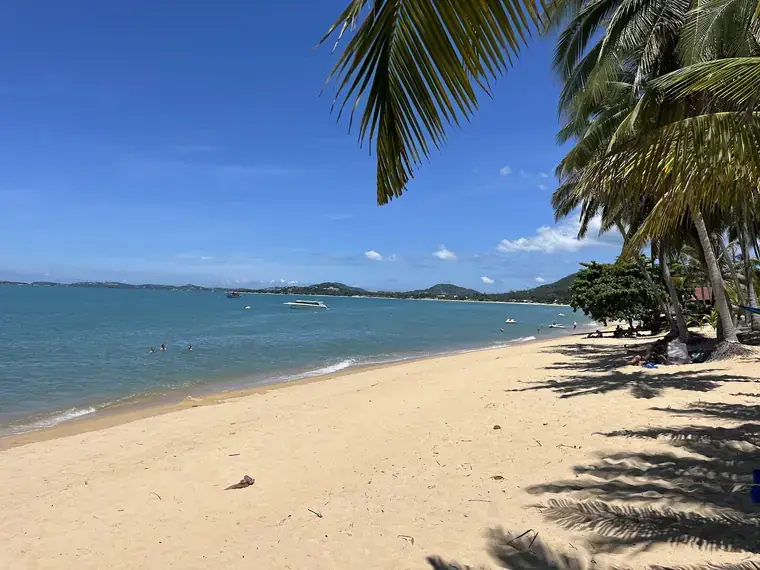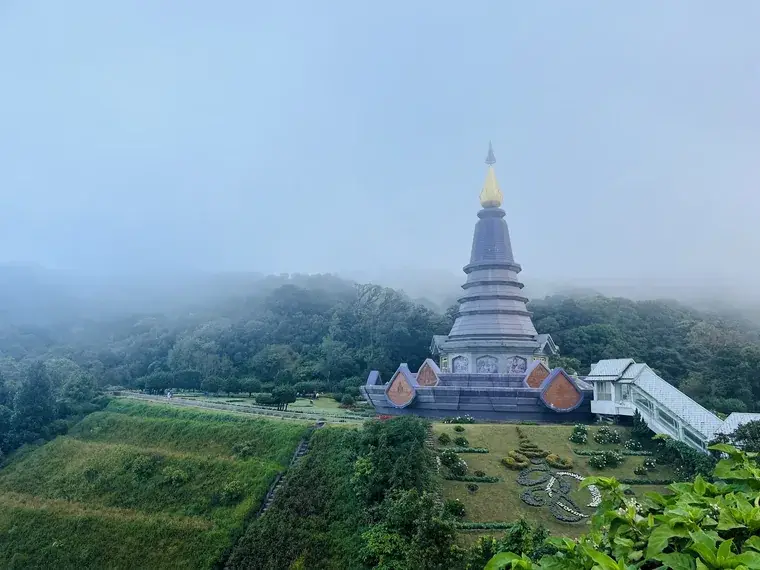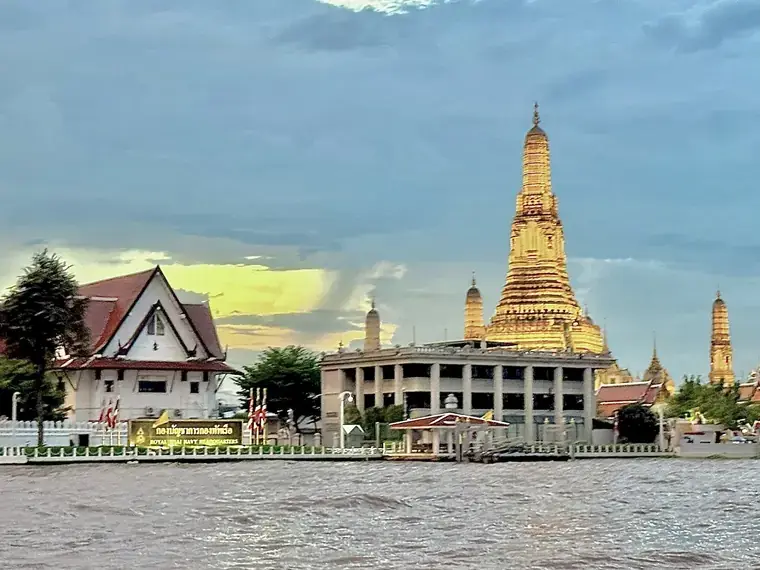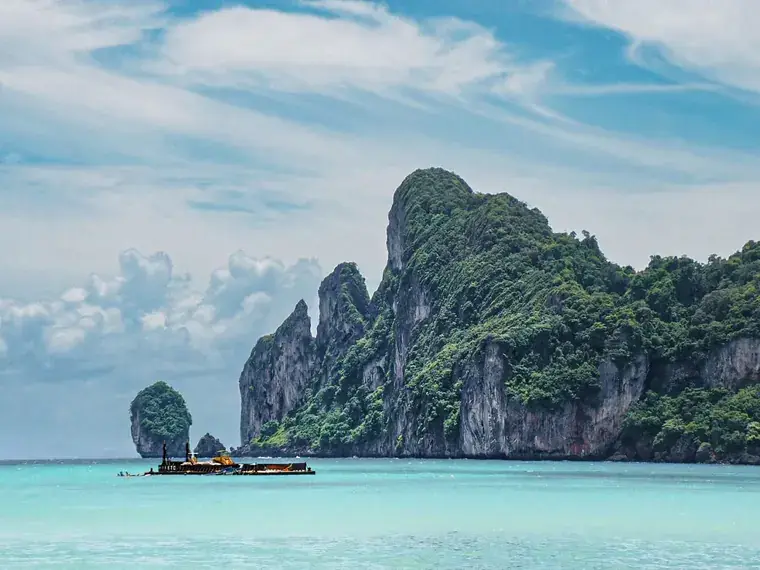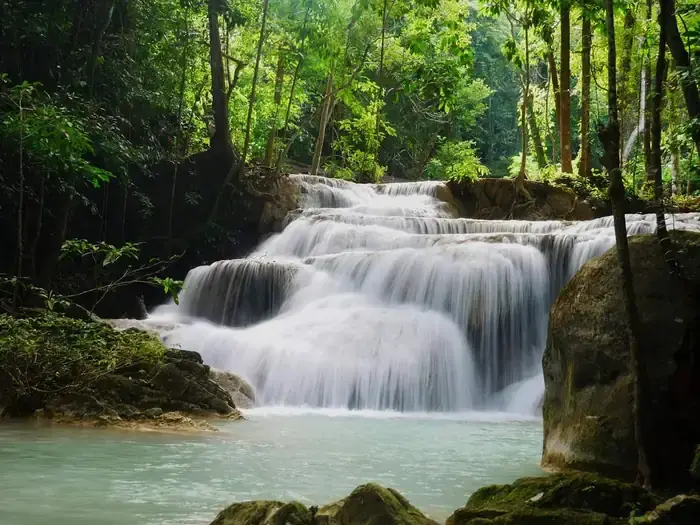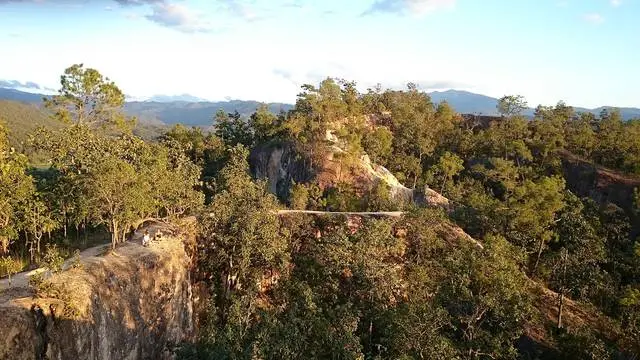
Imagine: you stand at the edge of the world, while beneath you stretch emerald valleys, clouds drift at your feet, and the air is filled with the aroma of tropical flowers. Or else you move through time, immersing yourself in the atmosphere of mystical ancient kingdoms, where history intertwines with exotic landscapes and colorful cultures.
Thailand offers both of these scenarios, but which of them will become your unforgettable holiday? Pai Canyon, like the painting of an impressionist artist, beckons with its natural grandeur, while the Golden Triangle spreads out before you like a canvas of history, steeped in the mysteries of bygone eras.
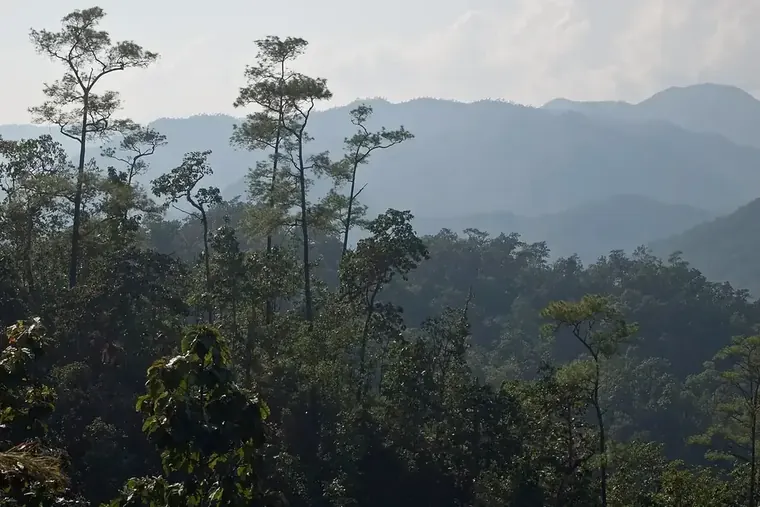
Often tourists, planning their tour of Thailand, face a dilemma: what to choose for a more authentic and memorable journey? Pai Canyon, known for its gentle hills and calm atmosphere, attracts those who seek solitude and the beauty of nature, while the Golden Triangle, with its heritage of wars and bordering countries, offers an immersion into a completely different world.
The difference is practical, not a matter of taste: Pai is reached from Chiang Mai and the Golden Triangle from Chiang Rai, and these are two opposite ends of the northern route. Some resorts offer package tours that may include both destinations, but for the independent traveler the choice between wild nature and historical discoveries becomes the key one.
Which would you choose?
The two options travellers most often choose between — both are compared below.
Pros and cons: Pai Canyon
Pros
- breathtaking views
- opportunities for hiking
- unique geological formations
Cons
- remoteness
- limited infrastructure
- harsh weather conditions
Pros and cons: Golden Triangle
Pros
- rich cultural heritage
- a variety of culinary experiences
- accessibility and ease of transport
Cons
- large crowds of tourists
- potentially inflated cost
- absence of wild nature
Pai Canyon or Golden Triangle: which to choose
Tip
Two very different trips: Pai for nature and trekking, the Golden Triangle for the Thailand-Laos-Myanmar border and its opium history. Both are reached from the north — Pai from Chiang Mai, the Golden Triangle from Chiang Rai. Combine only if you have five days or more in the north.
Pai Canyon versus the Golden Triangle: Your perfect trip
If you crave breathtaking landscapes and off-road adventures, then your choice is Pai Canyon. But if you're drawn to cultural immersion, historic temples and an authentic atmosphere, then head to the Golden Triangle.
How do the two directions differ?
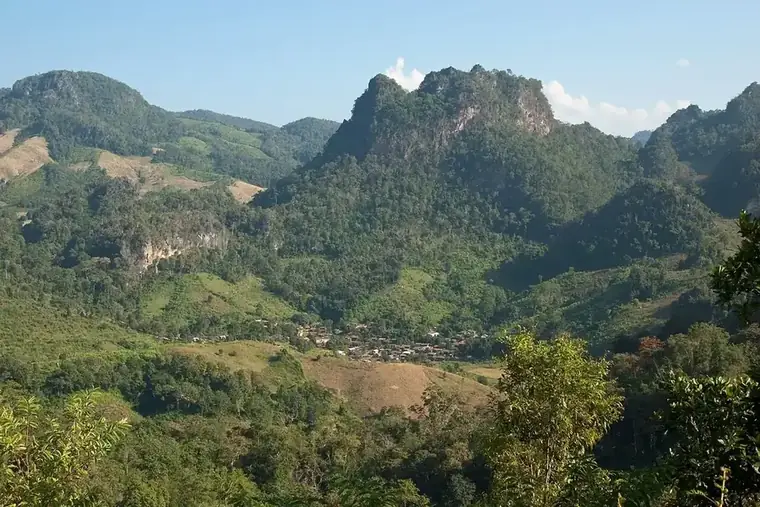
Comparison of Pai Canyon and the Golden Triangle
| Criterion | Pai Canyon | Golden Triangle |
|---|---|---|
| Vibe/Atmosphere | Relaxed, natural | Exotic, cultural |
| Season | November — February | November — February |
| Beaches | none | none |
| Budget | Low — Medium | Medium — High |
| Who it suits | Couples, nature-seekers | Everyone |
| Accessibility | Medium | High |
Where it takes your breath away: Pai Canyon versus the Golden Triangle
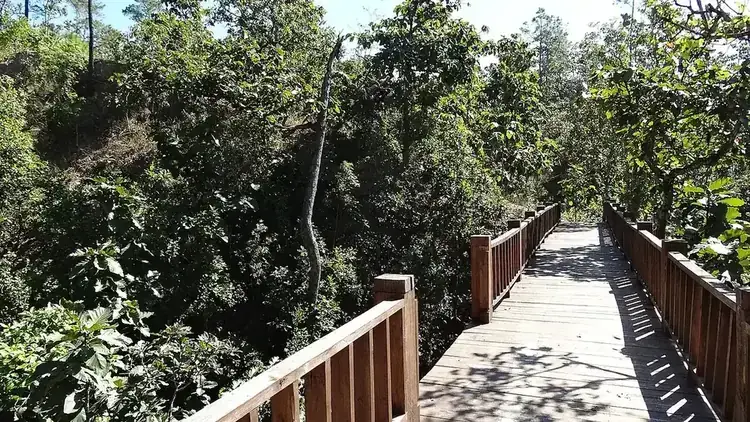
When it comes to unforgettable impressions, Pai Canyon, with its majestic cliffs carved by time and its expanses that swallow the gaze, gives a feeling of the primordial might of nature. Here an atmosphere of seclusion and meditative contemplation reigns. What distinguishes this place is the distinct «wow effect» that arises at the sight of the scale and geological beauty.
Unlike the more urbanized Golden Triangle, saturated with cultural sights, Pai Canyon offers an immersion into pure, untouched nature. If here you seek quiet and the chance to hear the whisper of the wind among the cliffs, then in the Golden Triangle a kaleidoscope of emotions awaits you, from awe before the ancient temples to the noisy delight of the markets.
The Golden Triangle, which includes such gems as the area where the Mekong and Ruak rivers meet on the border of Thailand, Laos and Myanmar (centered in Sop Ruak, Chiang Rai province), possesses a completely different aura. This is a territory where history comes alive in every stone, where every little street breathes centuries of traditions. Here the atmosphere is more saturated, filled with the hum of human voices, the aromas of spices and exotic cuisine.
The convenience in the Golden Triangle is expressed in a developed tourist infrastructure, offering a wide choice from luxury hotels to cozy guesthouses. Whereas Pai Canyon requires a certain readiness for simplicity, the Golden Triangle offers comfort for every taste. An important value of these places is their cultural heritage, deeply rooted in Buddhist traditions and unique crafts, which creates a completely inimitable experience, far from the geological grandeur of Pai Canyon.
However, it's worth being honest: the popularity of the Golden Triangle, especially during peak seasons, can turn into crowds. Queues to the popular temples or overcrowded markets are frequent companions of the traveler. Also, the tropical climate here, especially in certain months, can be quite hot and humid, which requires appropriate preparation.
In Pai Canyon, although it may have its share of tourists striving to capture the unique landscapes, the feeling of space and freedom is better preserved. Where in the Golden Triangle you may encounter an excess of human energy, in Pai Canyon you are greeted by the serene might of nature, requiring only your presence and an open heart.
Among picturesque canyons: which transfer to choose — Pai Canyon or the Golden Triangle?
When planning a journey through Thailand, many tourists face a choice between two popular destinations: the secluded and picturesque Pai Canyon and the lively, culturally rich Golden Triangle. However, before plunging into the charms of each of them, it's worth paying attention to the question of the transfer, for it is precisely this that largely determines the overall impression of the trip.
Unlike the relatively simple and predictable routes to the Golden Triangle, the road to Pai Canyon can become a real adventure. If here, in the Chiang Rai area, the main choice comes down to comfortable buses, minivans or taxis booked in advance, then the road to Pai will require greater flexibility and, often, a readiness for more extreme conditions.
Whereas transfers to the Golden Triangle usually take from 3 to 5 hours and offer a quite decent level of comfort – air-conditioned interiors, the chance to stop along the way – the journey to Pai involves a serpentine road counting 762 turns. This often increases the travel time to 5-6 hours, and sometimes more, depending on the chosen transport.
Minivans, the most common option, can be quite cramped, and for those who suffer from motion sickness this can become a serious trial. In contrast, the ride to Chiang Rai and its surroundings is, as a rule, an easier one to sit through.
The road to Chiang Rai is an ordinary lowland highway; the road to Pai is a mountain serpentine with 762 turns. The difference is in the road itself rather than in the service: if you get motion sickness, take a front seat and do not eat heavily before departure.
When planning a transfer to Pai, it's worth considering the possibility of renting a private car: on the serpentine you can stop whenever you need to, although this will cost more. In the end, the choice between Pai Canyon and the Golden Triangle, including in terms of the transfer, comes down to priorities – whether you seek serenity and are ready for small road trials, or prefer a lighter and more comfortable journey with an emphasis on historical and cultural sites.
How much does the trip cost?
Comparison of prices: Pai Canyon versus the Golden Triangle
A journey to Thailand often poses a choice: to immerse yourself in the peaceful atmosphere of the northern mountains or to explore the lively world of the provinces bordering Myanmar and Laos. When planning a budget, these two popular destinations — Pai Canyon and the so-called «Golden Triangle» (including Chiang Rai, Mae Sai and the golden triangle in the narrow sense) — offer completely different financial scenarios.
Unlike the more youth- and backpacker-oriented Pai, where an atmosphere of relaxation reigns, the Golden Triangle, especially such parts of it as Chiang Rai, offers a more traditional tourist experience with a larger choice of hotels and restaurants. If in Pai you're most likely to be looking for cozy guesthouses and small cafés with home cooking, then in Chiang Rai the choice will be wider, from budget hostels to comfortable hotels, but the prices, accordingly, may be higher.
When it comes to food, the difference becomes especially noticeable. In Pai the gastronomic scene amazes with its variety at consistently affordable prices. You can easily find tasty and filling dishes, for example, pad thai for ฿50-80 (≈ $1.4-2.2), or enjoy fresh fruit smoothies for just ฿30-50.
Even in the more «trendy» establishments on the main street, the cost of a main dish rarely exceeds ฿150. Whereas in Chiang Rai, especially in restaurants oriented toward foreign tourists, prices for similar dishes may start from ฿100-150 and reach ฿250-300, although, of course, here too there remain affordable local markets and street food, for example, at the Chiang Rai night market, where you can try khao soi (Thai noodles) for ฿40-60.
Transport in Pai consists predominantly of scooter rental (฿150-250 per day), which is ideal for exploring the surroundings, or else «songthaews» (shared taxis) for shorter trips. In Chiang Rai, besides scooter rental, taxis and driver services are more popular, which can be costly for solo travelers, but more advantageous for groups.
It's important to note that a certain «Pai» romance carries its own flip side. Despite the overall low cost, some places in Pai may seem a little «tired» or insufficiently maintained, and the abundance of cheap alcohol and youth parties does not always match the notion of a perfect holiday.
In the Golden Triangle, on the contrary, the tourist infrastructure may be more developed, but in places a commercialization is felt, and it's not always easy to find an authentic experience without additional expenses. Therefore, if your budget is limited and you're looking for a relaxed atmosphere and tasty food at the minimum price, Pai will probably be the better choice, whereas Chiang Rai and the adjacent territories will offer more variety, but will require a more generous budget, especially if you strive for comfort and quality service.
Which one should you choose?
Canyons, contrasts or history? Your perfect choice.
The time has come to sum up and determine where to head on your next journey. The choice between the picturesque Pai Canyon and the historically rich Golden Triangle depends solely on your personal preferences and expectations of the trip. Both destinations offer unique impressions, but are intended for different types of travelers.
If you're in search of solitude, communion with nature, untouched beauty and the chance to slow down, then Pai Canyon will become your ideal haven. This is a place for those who value quiet, picturesque landscapes and an authentic atmosphere, far from the noisy tourist routes. On the contrary, if you're drawn to ancient civilizations, majestic monuments of architecture, a rich cultural heritage and the desire to immerse yourself in history, then the Golden Triangle will reveal its untold treasures before you.
- Choose Pai Canyon if you: seek calm and serenity, love walks along picturesque trails, value minimalism and the beauty of untouched nature, strive to recharge and disconnect from the bustle.
- Choose the Golden Triangle if you: are an avid lover of history and archaeology, admire grand architectural structures, want to learn more about the past of civilizations, value the chance to visit many landmark sights in a single trip.