Chiang Mai offers a huge number of activities and places to visit, which cannot be covered in three days.
For a full exploration of the region, it is recommended to set aside at least 4-5 days.
If budget and time permit, the stay can be extended for a more detailed acquaintance with local attractions and natural beauty.
Four to five days will allow you to cover the main tourist routes and get a comprehensive impression of Chiang Mai.
A longer stay will open up opportunities for a deeper immersion into the culture and exploration of lesser-known locations.
The optimal period for an active tourist is from 4 to 7 days.
Price accessibility 7/10 Wow factor 6/10 Safety 8/10 Physical difficulty 8/10 Historical value 8/10 Family accessibility 7/10 Transfer 6/10 Comfort 7/10
What is the rainy season in Chiang Mai?
The rainy season in Chiang Mai falls during the period from June to October. This is a time of abundant rainfall, which brings refreshment after the hot months. Unlike tropical downpours, the rains are often short-lived in nature, with strong but relatively brief periods. The change of season is accompanied by a drop in temperature, making the air more comfortable.
The highest probability of rain is noted in July and October. Despite the precipitation, tourist activity decreases during this period, which can be attractive for travelers who prefer a calmer atmosphere and fewer tourists. The rainy season also promotes the lush blooming of local nature, making the landscapes especially picturesque.
The cool season, when the temperature drops to comfortable values, falls in November-February. This period is one of the most favorable for visiting Chiang Mai in terms of weather conditions.
Is one day enough to see Chiang Mai?
Yes, one day is enough to see the main highlights of Chiang Mai, but it is not enough to fully “explore” the entire city and its surroundings. In 1 day it is usually realistic to manage the old city with its temples and one key point outside the center — most often Wat Phra That Doi Suthep, which the Tourism Authority of Thailand calls one of the main symbols of Chiang Mai.
In practice, 1 day is well suited for the “first acquaintance” format: in the morning — the old city and temples such as Wat Chedi Luang or Wat Phra Singh, then the ascent to Doi Suthep, and in the evening — a market or a walk through more modern districts. Even fresh one-day routes around Chiang Mai are built precisely around this combination: Old City + Doi Suthep.
But if you want to feel Chiang Mai more deeply, it is better to allow 2–3 days. Then, without rushing, you can see the temples, markets, cafes and districts like Nimman, and also leave time for nature or trips around the surroundings. Official tourist materials on the province show that there are noticeably more interesting places here than for one day: besides Doi Suthep, they highlight, for example, Thapae Walking Street, Nimmanhaemin Road, Doi Ang Khang and Doi Inthanon.
When is the best time to visit Chiang Mai?
The most favorable period for getting acquainted with the natural beauty of Chiang Mai covers the time interval from November to early February. During these months, the most comfortable weather is expected, ideal for carrying out various expeditions and walks through the picturesque surroundings.
The dry season brings with it a clear sky and moderate temperatures, which significantly increases the enjoyment of active outdoor recreation.
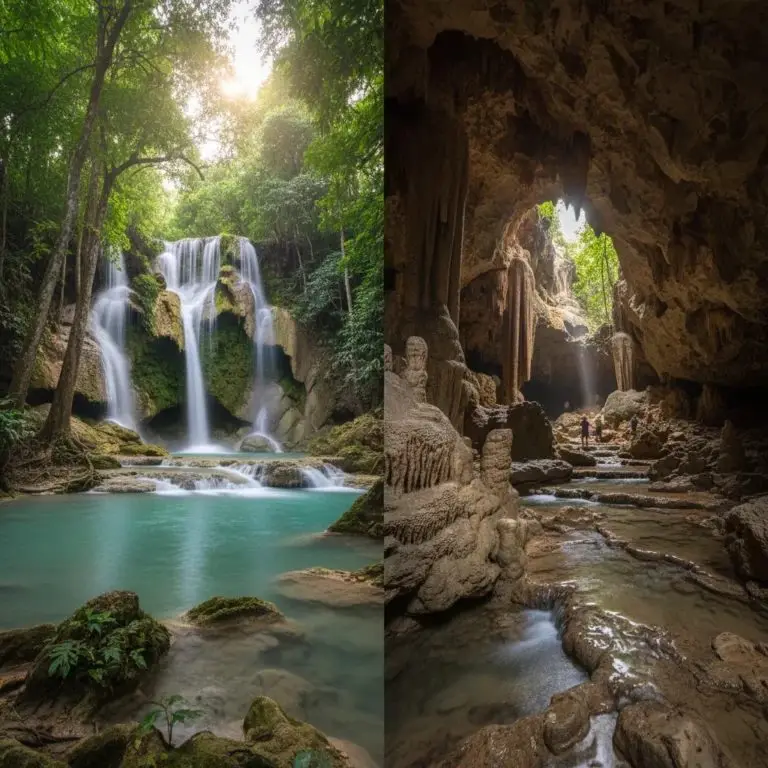
Lower humidity and the absence of heavy rainfall make these months preferable for visiting national parks, waterfalls and mountain trails.
The drop in temperature after the rainy season contributes to more pleasant conditions for trekking and wildlife watching.
Thus, for connoisseurs of natural landscape planning a trip, this very period is the optimal choice.
In what cases is it not worth visiting Chiang Mai?
Firstly, if you are sensitive to smoke and poor air quality, it is better to avoid the end of the dry season, especially the period from February to April, and sometimes up to May. It is during this time that the so-called burning season takes place in Northern Thailand: due to controlled burns, fires and weather conditions, the level of air pollution often rises sharply.
Secondly, if clean mountain views, trekking and comfortable outdoor walks are important to you, the smog period will also not be the best choice. Even if the trip is formally possible, the impression of the temples, viewpoints and mountains can be greatly spoiled by haze and poor air quality.
Thirdly, if you tolerate heat poorly, you should not choose the end of the cool season and the transition to the hot period. At this time the temperature gradually rises, and walks around the city and its surroundings can become less comfortable, especially during the day.
Fourthly, if you are planning a trip for the sake of nature, waterfalls, countryside routes and travel around the surroundings, but do not want to risk it because of heavy rains, you should be more cautious about the peak of the rainy season. During the wettest months, precipitation can interfere with trips, walks and visiting natural locations.
To simplify it, the worst time to go to Chiang Mai is when you especially need clean air and beautiful views, and outside it is precisely the smoke season. In the rainy months, the trip does not always need to be canceled, but you should be more attentive if you have a short itinerary, many plans outside the city, or if predictable weather is very important to you.
The safest conclusion is this: you should not go to Chiang Mai during the smoke season if you have asthma, allergies, breathing problems, if you are traveling with children, or if outdoor comfort is generally important to you.
What to do on the first day in Chiang Mai?
Begin your acquaintance with Chiang Mai by exploring the old city. Dedicate the morning to its historic temples and architecture.
Be sure to visit such significant attractions as Wat Chedi Luang and Wat Chiang Man.
After the cultural program, head to Somphet Market.
Here you can purchase souvenirs and enjoy a variety of street food, immersing yourself in the atmosphere of the city.
What to try in Chiang Mai?
Khao soi — the signature dish of Northern Thailand, a thick curry-based noodle soup, which is the calling card of Chiang Mai. Among other must-try dishes stand out sai ua, nam prik ong and gaeng hang lay, demonstrating the richness of local cuisine. For a full immersion into the culinary traditions of the region, it is worth tasting khan toke, a traditional northern dinner, and crispy kaeb moo. An exquisite sticky rice with mango will ideally complete the gastronomic journey.
How much money to take to Thailand for 10 days?
For a comfortable 10-day vacation in Thailand, the approximate budget is:
$1500 for personal expenses.
$1400 for the package tour.
The key expense items, making up to 80% of the trip's budget, are airfare and accommodation.
Additional expenses include car rental, food, insurance, souvenir purchases and excursions.
Which areas of Chiang Mai should be avoided?
In Chiang Mai it is recommended to exercise increased vigilance in areas with developed nightlife, remote rural areas and in the most touristy locations. Special attention should be paid to crowded places, where situations requiring increased caution may arise. Route planning and awareness of potential risks are key elements of safe travel. This will allow you to fully enjoy the rich culture, impressive temples, lively markets and picturesque natural landscapes of the region. Following these recommendations will ensure a comfortable and safe stay, minimizing possible troubles. Vigilance and preliminary preparation are the key to confident exploration of all the merits of Chiang Mai.
In which month are trips to Thailand the cheapest?
The most cost-effective time for a trip to Thailand falls during the rainy season. If you are ready for possible variable weather conditions, then it is precisely during this time that you can count on the best prices for accommodation.
May and September are traditionally considered the most budget-friendly months for visiting Thailand.
Choosing these months allows you to significantly save on the cost of tours and hotels, while enjoying less crowded attractions.
What is the fire season in Chiang Mai?
In Chiang Mai there is a fire season that has a significant impact on air quality.
This period usually covers the months from January to April.
The most intense phase of the fire season, when air pollution reaches its peak, falls in March.
The ongoing fires are the main cause of the deterioration of the environmental situation in the region.
It is expected that in the near future air quality in Chiang Mai will remain at a low level.
This is due to the persistent activity of seasonal fires.
Recommendations for preparing and informing travelers regarding this aspect are extremely important.
Is it easy to get around Chiang Mai?
Getting around Chiang Mai is quite simple.
Most of the key attractions are located in close proximity to the main hotels and to each other.
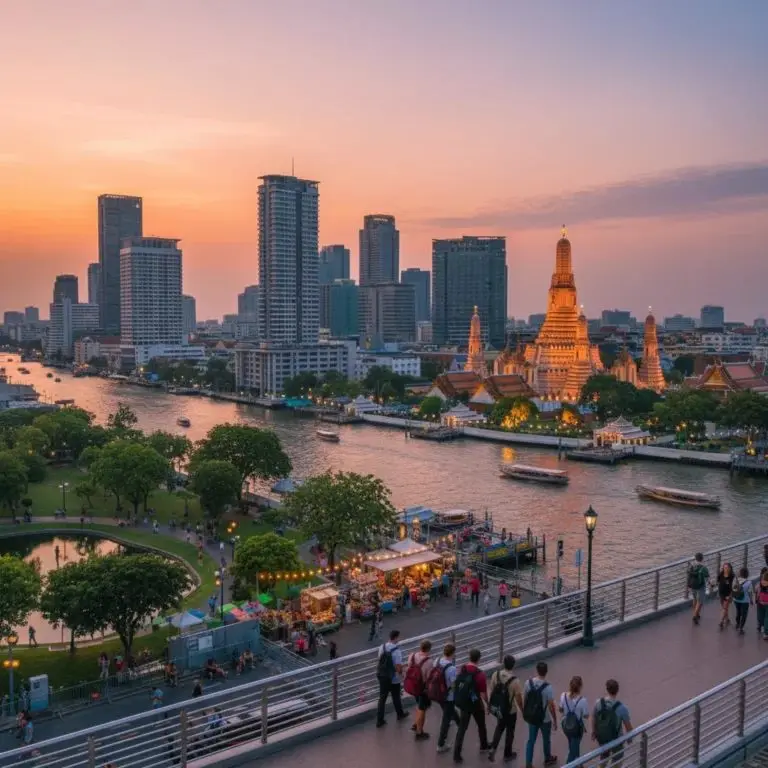
Walking is the optimal way to immerse yourself in the atmosphere of the ancient city.
Such accessibility significantly facilitates independent exploration of local beauty.
The convenient location of the attractions allows you to plan your time efficiently.
Active tourists will easily manage to cover the maximum of interesting places.
The main points of attraction are within walking distance.
This makes Chiang Mai an ideal city for walking tours.
Where to go in the evening in Chiang Mai?
In the evening in Chiang Mai the choice of entertainment is extensive, from lively bars and clubs to exclusive shows. Particularly notable are Zoe in Yellow, a popular place with a rating of 4.6, and Blacklight Cnx, a club with an impressive 4.9 points. Fans of unique performances should pay attention to 6ixcret Show and Ram Show Bar, both with high ratings of 4.9 and 4.6 respectively.
For those seeking a special atmosphere, Boy Blues Bar offers blues evenings with a score of 4.7, and My Bar Chiang Mai is also popular among fans of the genre. Among other establishments recommended for a visit, Lost Hut and Angels Bar are noted, offering a variety of evening programs.
Why is Thailand on the list of countries where entry is prohibited?
Entry to Thailand is restricted due to the threat of terrorist attacks.
The greatest risk persists in the four southern provinces of the country bordering Malaysia.
These regions regularly become the scene of terrorist activity.
In connection with this, the Foreign, Commonwealth and Development Office (FCDO) strongly advises against visiting the specified provinces.
Trips are possible only in case of extreme necessity.
This recommendation is conditioned by an objective assessment of risks to tourist safety.
Are there typhoons in Chiang Mai?
The risk of typhoons occurring in Chiang Mai is assessed as low.
According to current data, the probability of hurricane winds occurring in the region is only 1% over the next 10 years.
This means that Chiang Mai is not subject to strong cyclonic phenomena.
Consequently, when coming to Chiang Mai, you need not fear the destructive consequences of typhoons.
The level of cyclone danger is extremely low.
In Chiang Mai there is no threat of typhoons.
What is the hottest month in Chiang Mai?
April — is the hottest month in Chiang Mai, when average maximum temperatures reach 36°C (97°F), and minimums — 23°C (74°F).
There is a noticeable cool season here, which lasts about 2.2 months.
This period falls approximately from November 18 to January 25.
During this time the average daily maximums do not exceed 30°C (86°F).
The weather in Chiang Mai has clearly expressed seasons.
A vacation in April requires special attention to sun protection.
The period from November to January is ideally suited for exploring the city and its surroundings.
The optimal time for a visit depends on your temperature preferences.
Is $500 enough for a week in Thailand?
$500 for a week in Thailand is quite sufficient. The cost of food varies: street food, such as pork skewers, will cost around 10 baht, whereas Western cuisine dishes or dinners in restaurants can cost from 400 baht and up. Experienced travelers confirm the realism of such a budget. With a sensible approach to expenses, including food, leisure and even visiting establishments, you can fit within the specified amount. The key to saving is choosing local cafes and street food spots. This will allow you to significantly reduce food expenses, leaving funds for other activities. Thus, $500 is an achievable budget for a week-long stay.
Is it possible to get around Chiang Mai on foot?
Getting around Chiang Mai on foot is quite possible, especially when choosing the right place to stay. For those discovering the city for the first time, it is recommended to stay in the area of the Tha Phae Gate, located in the Old City. Such a location provides convenient access to all the key attractions, main shopping points and markets, making walking the optimal way to get acquainted with the city.
By choosing this area, you get the opportunity to explore the main activities of Chiang Mai without resorting to additional modes of transport. This allows you to immerse yourself more deeply in the atmosphere of the city and enjoy its unique features at a comfortable pace. Thus, exploring Chiang Mai on foot becomes a realistic and quite pleasant prospect with proper planning.
Year of founding In what year the object was erected or founded 1292 y. Duration Recommended time for viewing 24 h. Temperature Average annual temperature +26 °C Area What territory the object occupies 6538 sq. km Tourist flow Number of tourists (thousand/day) 2 thousand Peak load Peak visiting hours 10:00 - 15:00
What are the 5 most popular Thai dishes?
The TOP-5 popular dishes of Thai cuisine include:
1. Tom Yum Soup — an aromatic and spicy soup with seafood or chicken.
2. Kung Som Pak Ruam — a sweet-and-sour soup with shrimp and vegetables.
3. Pad Thai Noodles — traditional fried rice noodles with shrimp, tofu and peanuts.
4. Panang Gai Chicken — chicken in a thick, aromatic panang curry sauce.
5. Pad Kaprao — fried minced meat (most often chicken or pork) with basil and chili.
These dishes represent the foundation of Thai gastronomy, combining piquancy, freshness and richness of flavors.
Route to the place: Phrae, Thailand Go
When is the fire season in Chiang Mai?
The most intense fire period in Chiang Mai falls during the time from March to June.
This period is characterized by strong heat and low humidity, which creates ideal conditions for the spread of fire.
The fire season is closely connected with the hot season.
At this time of year the air can be heavily smoky, which affects visibility and air quality.
Local authorities and residents actively combat the spread of fires.
Travelers are recommended to monitor air quality reports before a trip during this period.
How to get to Phrae?
Phrae is a quiet provincial town in northern Thailand, located not far from popular tourist centers such as Chiang Mai, Lampang, Sukhothai and Phitsanulok. The main ways to get there are buses, trains (with a transfer from Den Chai station), taxis or car rental. Buses are the most accessible option, tickets cost from 100-500 THB depending on the distance and class.
From Chiang Mai (200 km, 3-4 hours)
The most popular route from the tourist hub. Direct buses from the Chiang Mai Bus Terminal depart regularly, price 160-420 THB (companies Phetprasert Tour, Green Bus).
- Travel time: 3.5 hours with a stop in Lampang.
- Train: to Den Chai (5 hours), then songthaew or taxi 20-30 min for 50-100 THB.
- Taxi or car rental: 3 hours, 2200-2700 THB for a taxi.
From Lampang (70 km, 1 hour)
The nearest northern city with frequent Sombat Tour buses, 4 evening departures, price from 150 THB.
- Direct buses: every 30 min from 20:00, a direct route without transfers.
- Taxi: about 1400 THB, convenient for groups.
From Sukhothai (170 km, 3 hours)
Direct Sukhothai Wintour buses at 6:40 and 9:00 in the morning, P2-class without a toilet, price 142 THB.
- A transfer in Phitsanulok is possible, but the direct option is simpler.
- Car or taxi: 2.5-3 hours along the highway.
From Phitsanulok (100 km, 2-3 hours)
Thai Railway trains to Den Chai (7 departures a day, 2nd Class 110+ THB), then a taxi 50 THB for 30 min.
- Buses and VIP van: from 2 hours.
- Taxi: from 2300 THB.
General tips
- Buy tickets on 12Go.asia or BusOnlineTicket in advance.
- The Phrae bus station is in the center, a songthaew for getting around the city — 20 THB.
- Scooter or car rental through local services for flexibility.
Frequently asked questions (FAQ)
How many days are needed for a full immersion into Chiang Mai?The ideal time for getting acquainted with Chiang Mai is 4-5 days. This will allow you to calmly view the ancient temples, visit the colorful markets, go to the nature reserves and enjoy the local cuisine.
Which attractions of Chiang Mai are worth visiting in 3 days?In 3 days you will manage to see the Doi Suthep temple, walk through the Old City with its temples (Wat Chedi Luang, Wat Phra Singh), visit the night bazaar and, possibly, drop by the elephant sanctuary.
How is it best to plan a trip to Chiang Mai for a weekend?For a weekend it is worth focusing on the main attractions: the Doi Suthep temple, a walk through the Old City and a visit to one of the famous markets (the night or the Saturday/Sunday one).
At minimum how many days are enough for Chiang Mai to feel its atmosphere?For a first acquaintance and feeling the atmosphere of Chiang Mai, 2-3 full days are enough. This will allow you to cover the main temples and feel the spirit of the city.
How many days is an ideal trip to Chiang Mai for lovers of nature and adventure?For connoisseurs of nature and active recreation in Chiang Mai, 5 days and more is recommended. This will give you the opportunity to go to national parks (for example, Doi Inthanon), engage in trekking, visit waterfalls and hill tribe villages.