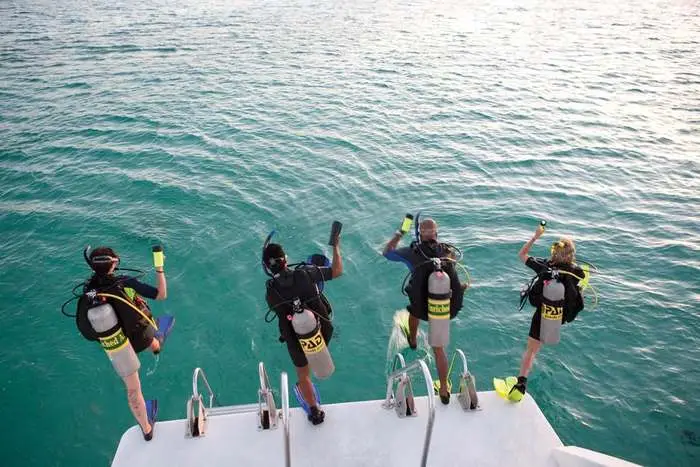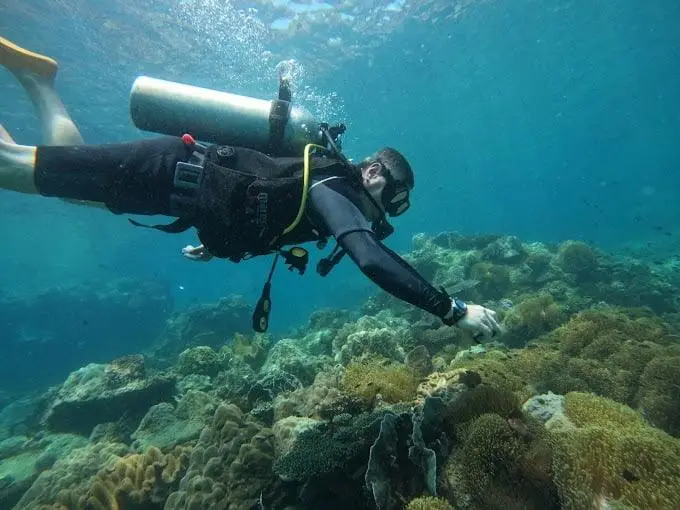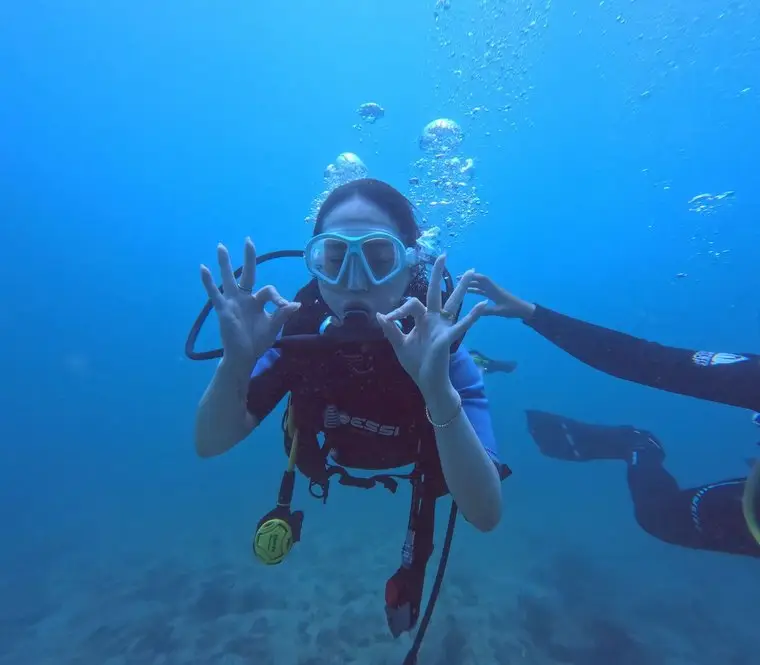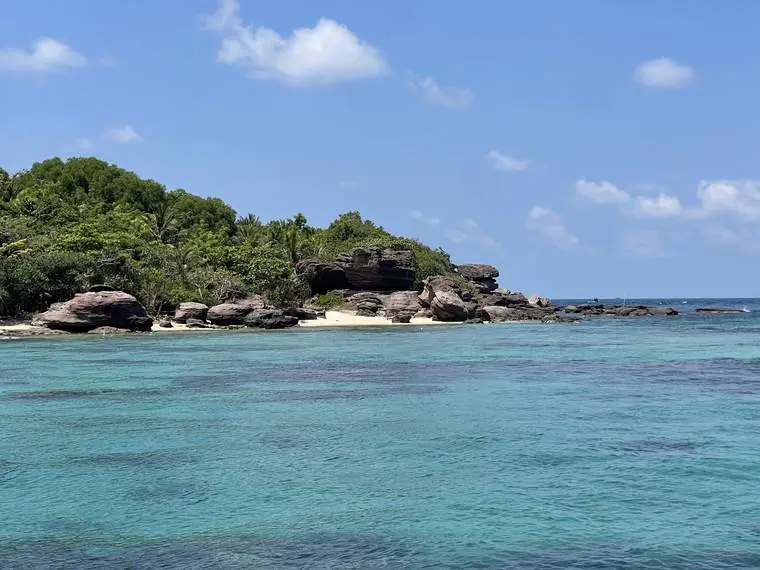
Phu Quoc is one island with two separate dive regions, and a visitor who does not know that ends up comparing prices that describe different seas.
- The southern boats leave An Thoi and work the An Thoi archipelago.
- The northern boats leave Dương Đông and work the shallow water off the island's top end.
The seasons of the two are not the same, and neither are the depths.
In winter both areas work; in summer only one. The northern sites close from 10 May to 20 October at Flipper Diving Club, and Kimie's Tours runs its northern trips only from November to April. The south is on offer in every month.
Why does the north close?
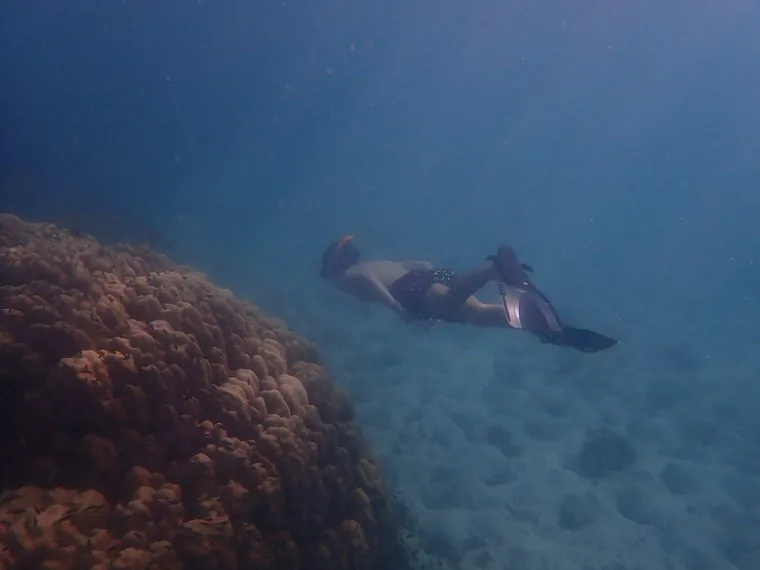
The island's dry season runs from November to April, with the high season from December to February, and the northern trips are written into that calendar by the operators themselves. Flipper Diving Club puts the dates on every product page: diving in the north is not available from 10 May to 20 October.
Kimie's Tours states that northern dives only operate in the dry season, November to April. Read together, those two lines mean the winter traveller has the full island and the summer traveller has half of it.
How deep is each side?
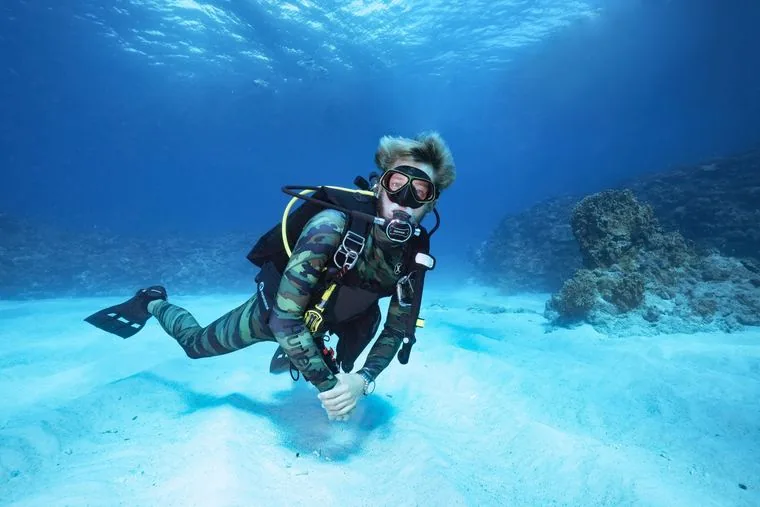
The north is a shallow-water area. Kimie's publishes a water depth of nine metres for its northern trips, which run about an hour and a half by wooden boat from Dương Đông harbour, usually to Turtle Island. Vietnam Active does not use the north at all for its dives and gives the reason in one number: the maximum depth at Turtle Island is around six metres.
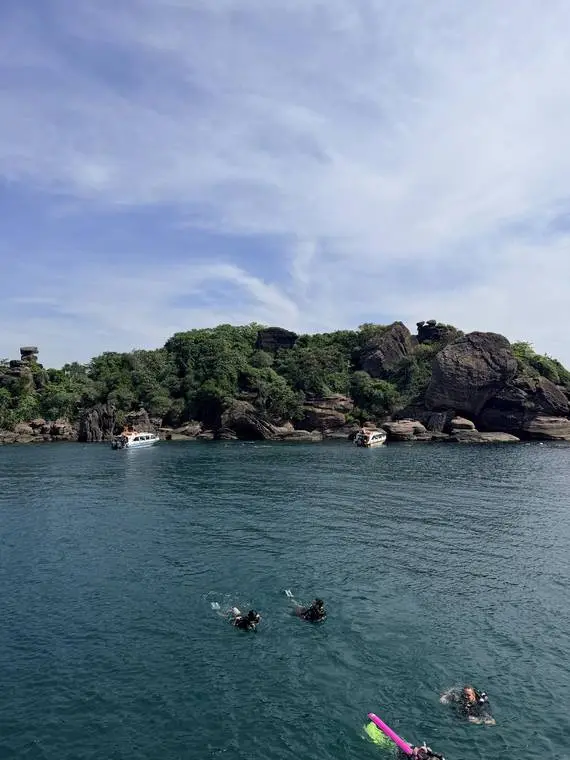
The south is the deeper half. Ecodive describes its southern fun diving as running to 18 metres for most dives and 30 metres for advanced divers, with a mix of multi-level and drift profiles. Vietnam Active works 17 sites across 12 islands of the An Thoi group — Coco Island, Roi Island, Pineapple Island, Kim Quy, Dry Island, May Rut, Bat Island, Lighthouse Island among them.
Which side costs less?
The north, consistently. Kimie's charges $78 per person for two northern dives against $90 for two in the south. Flipper Diving Club prices one northern dive at 1,400,000 VND (about $54) and two at 1,900,000 VND (about $73), against 1,800,000 VND (about $69) and 2,400,000 VND (about $92) in the south — and adds a second variable: where you sleep.
A guest staying in the north pays 1,500,000 VND (about $58) for two dives; a guest staying in the south pays 2,900,000 VND (about $112) for the same two, because the transfer across the island is inside the price.
| North | South | |
|---|---|---|
| Season | dry season only: Nov–Apr (Kimie's); closed 10 May – 20 Oct (Flipper) | all year; OnBird states its trips are unaffected by the rainy season |
| Harbour | Dương Đông | An Thoi |
| Depth published | 9 m (Kimie's); about 6 m at Turtle Island | 18 m typical, 30 m for advanced (Ecodive) |
| Two dives | $78 (Kimie's) · 1,900,000 VND (about $73, Flipper) | $90 (four centres) · 2,400,000 VND (about $92, Flipper) |
What about visibility?
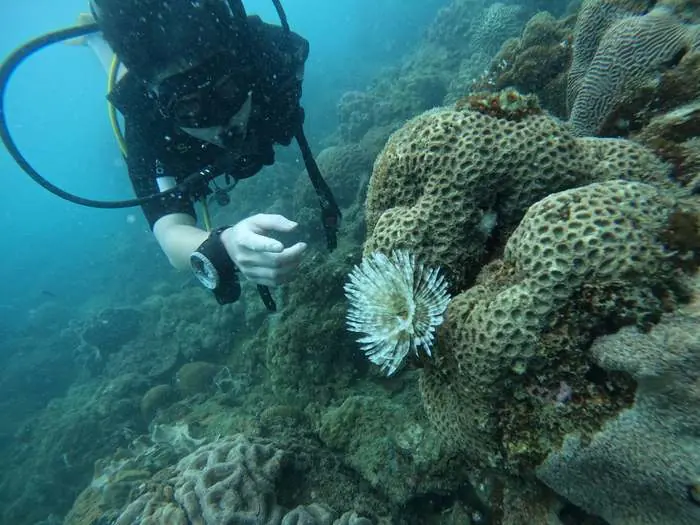
Nobody on the island sells it as a promise. Vietnam Explorer, working here since 2004, writes that diving is accessible all year round and that the best location depends on the prevailing conditions — and adds the caveat few operators put in writing: because Phu Quoc sits close to the Mekong delta, peak-season visibility here is rarely what you get on Vietnam's eastern seaboard.
Departure times move with the sea as well: OnBird sets them by the day's water conditions, and Red River Tours states that it cancels and refunds when the sea is unsafe for diving.
One more thing about the north-west
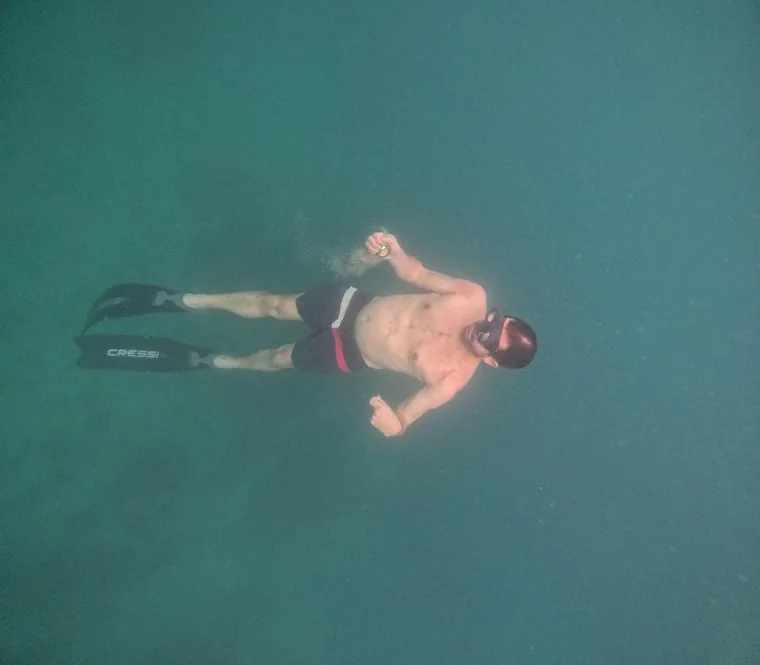
Kimie's Tours notes on its private snorkelling page that the north-west snorkelling route is currently unavailable because of reef bleaching, and offers the private trip along the south instead. It is worth asking your operator what is actually being visited before you book a northern trip on the strength of a photograph.
Frequently asked
When is the best month?
The dry season is November to April and the peak is December to February. That is also the only stretch in which both dive areas are open, so a winter trip gives you the choice and a summer trip does not.
Is the north worth it if it is shallow?
Shallow water is the north's argument, not its defect: nine metres at Kimie's, about six at Turtle Island, and a cheaper ticket. For a first dive or for snorkelling that is an advantage; for a certified diver looking for a wall or a drift, the southern 18 to 30 metres are the reason to pay more.
Can I do both in one trip?
Only between late October and early May, and only with an operator that works both sides. Flipper Diving Club and Kimie's Tours publish prices for the north and the south separately, so the two are booked as two different days.
Updated 4 September 2026. Season dates, depths and prices are quoted from the operators' own published pages.